→ econVuere:Vue ↪ April 30, 2026

Are we overreacting, or not responding enough to recent events?
The news cycle follows constant crisis: conflict in the Middle East, rising tensions in Asia, a deepening political divide in the US punctuated by episodes of violence, and concerns about where technology is leading us. These disruptions seem unrelated but they are all emblematic of growing global fragmentation.
Since World War II, globalization has depended upon a foundation, despite periodic flareups, of expanding trust between nations, institutions, and markets. As Steve Clemons observes in our discussion on the Hale Report, that world is giving way to one defined by “high-fear” globalization, where alliances are conditional and defensive, and risk is no longer easily priced. In fact, some risks might not be able to be quantified at all.
Across this issue of re:Vue, that shift in risk comes into focus through the work of our contributors. In my article, Bolt from the Blue, the escalation surrounding Iran underscores how geopolitical risk has moved beyond traditional deterrence toward a more diffuse and unpredictable nuclear landscape. Our panel on a “New Monroe Doctrine” reveals how this uncertainty is reshaping regional strategy, as the United States redefines its sphere of influence through the lens of sovereign economic security.
The material foundations of power are being reassessed. Measuring Energy Security highlights the growing effort to quantify resilience before crisis hits, while in After the Storm Eric Huang traces China’s transition toward a mobilization state—reordering its institutions around endurance rather than growth. The Great Productivity Divide argues, the real contest is not over technology itself, but whether economic systems can effectively deploy it. Taken together, they point to a broader social and economic reset.
That leads to a more fundamental question about incentives and behavior. As Arthur Laffer reminds us during our podcast, policy does not merely respond to conditions—it shapes the actions of individuals and institutions.
What connects these perspectives is a common challenge: in a high-fear world, it is increasingly difficult to distinguish real risks from imagined threats. Markets react to both, often imperfectly. Policymakers must navigate between them, because the consequences of getting that distinction wrong are no longer confined to economics. They are systemic.
It is difficult enough to follow the onslaught of events, but to interpret them, to separate structure from spectacle requires a willingness to learn from expert, and sometimes contrasting perspectives. In a high-fear world, judgment, not information, has become the scarcest resource of all.
In case you missed them, we hope you enjoy listening to and reading our recent work.
–𝓁𝓎𝓇𝒾𝒸 💬
Editor-in-Chief

About re:Vue
re:Vue is all our newsletters condensed into one convenient, unobtrusive e-mail, prefaced by our editorial commentary. You can select exactly which econVue newsletters you receive or omit, including this one, at any time in your econVue account..: Stories in ↪ re:Vue
↪: Now on econVue 🔈
1.:

🎧 THE HALE REPORT™ ⸱ Episode 77
Steve Clemons- The Man About Town in a Fragmenting World→
Hosted by LYRIC HUGHES HALE ⸱ FEB 26, 2026
Our guest for Episode 76 of The Hale Report™ was Steve Clemons, Editor-at-Large of The National Interest and veteran global policy convener. He explores the transition from an era of "high-trust" globalization to one defined by "high-fear," where unconditional alliances are being replaced by ad hoc, conditional arrangements. 💬
2.:
🎧 THE HALE REPORT™ ⸱ Episode 78
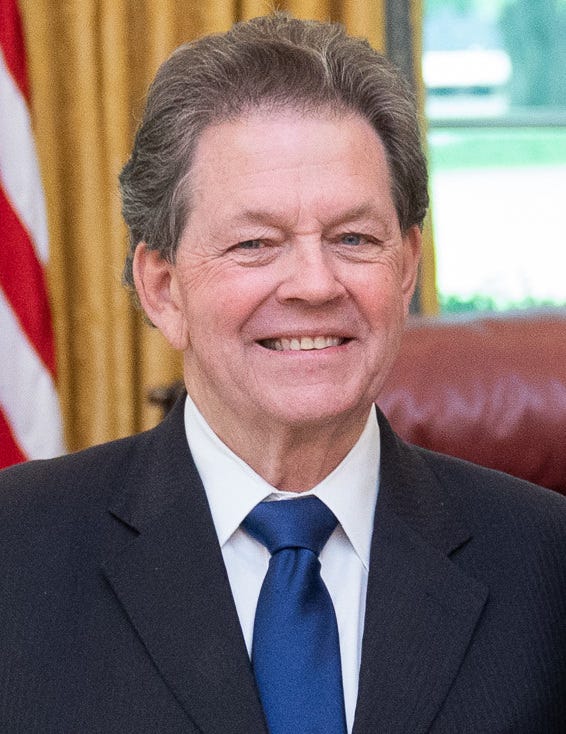
Arthur Laffer- The Other Side of Taxation: Incentives→
Hosted by LYRIC HUGHES HALE ⸱ MAR 27, 2026
Our guest for Episode 78 of The Hale Report™ is the legendary economist Arthur Laffer, architect of the Laffer Curve and former advisor to President Reagan. He explores the fundamental role of incentives—shaped by taxation, trade, and monetary systems—in driving global economic behavior, arguing that policy does not merely allocate resources but actively dictates human and institutional action. 💬
3.:
↪: 👥 PANEL RECAP
MAR 11, 2026 → At the Crossroads of a New Monroe Doctrine
↳ Panelists: R. Evan Ellis, ERIC HUANG, Joshua W. Walker
Moderated by: Lyric Hughes Hale, Editor-in-Chief, econVue
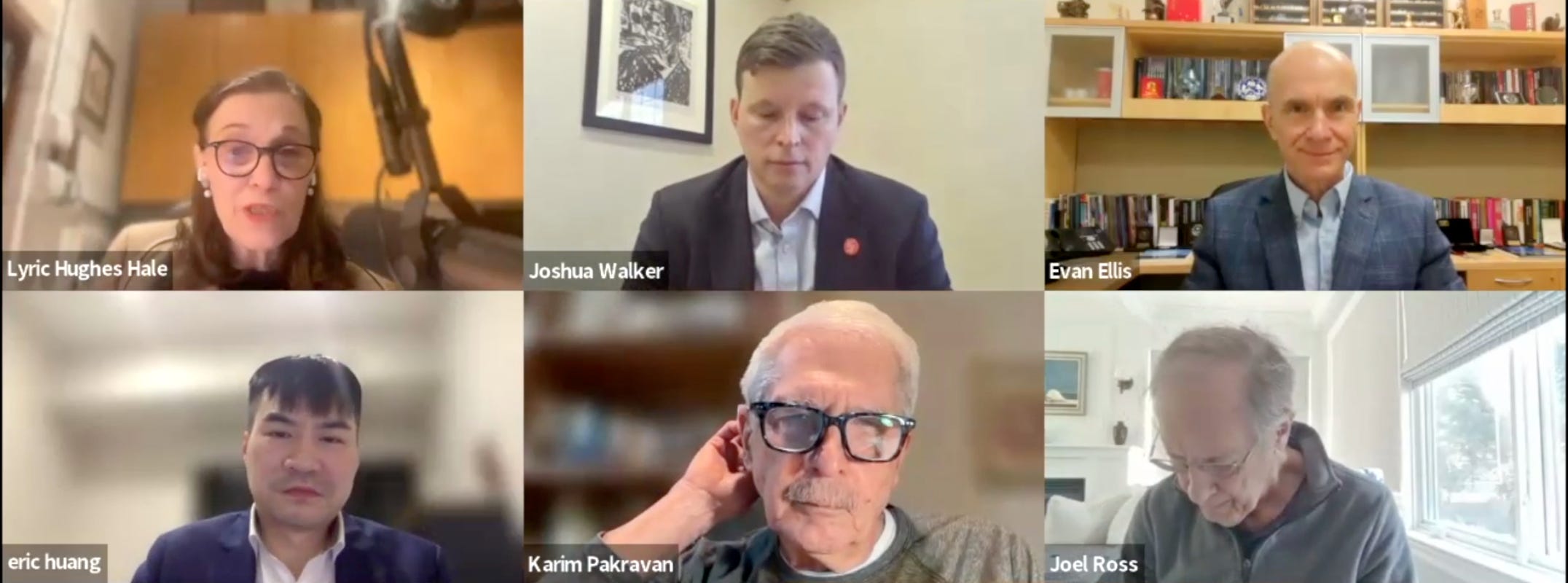
On March 11, 2026, econVue convened a panel to examine the shifting boundaries of American influence as regional security concerns in Latin America and the Indo-Pacific increasingly converge. The discussion explored whether current US strategy represents the emergence of a “New Monroe Doctrine”—one that prioritizes homeland security and economic indispensability over traditional co-development. 💬
**SAVE THE DATE: Our next panel on the Xi-Trump Summit will be held on May 12th at 9am CDT. Click here to register and to receive more details:
↪: Latest articles
4.:
§Conflict
Lyric Hughes Hale ⸱ APR 13, 2026
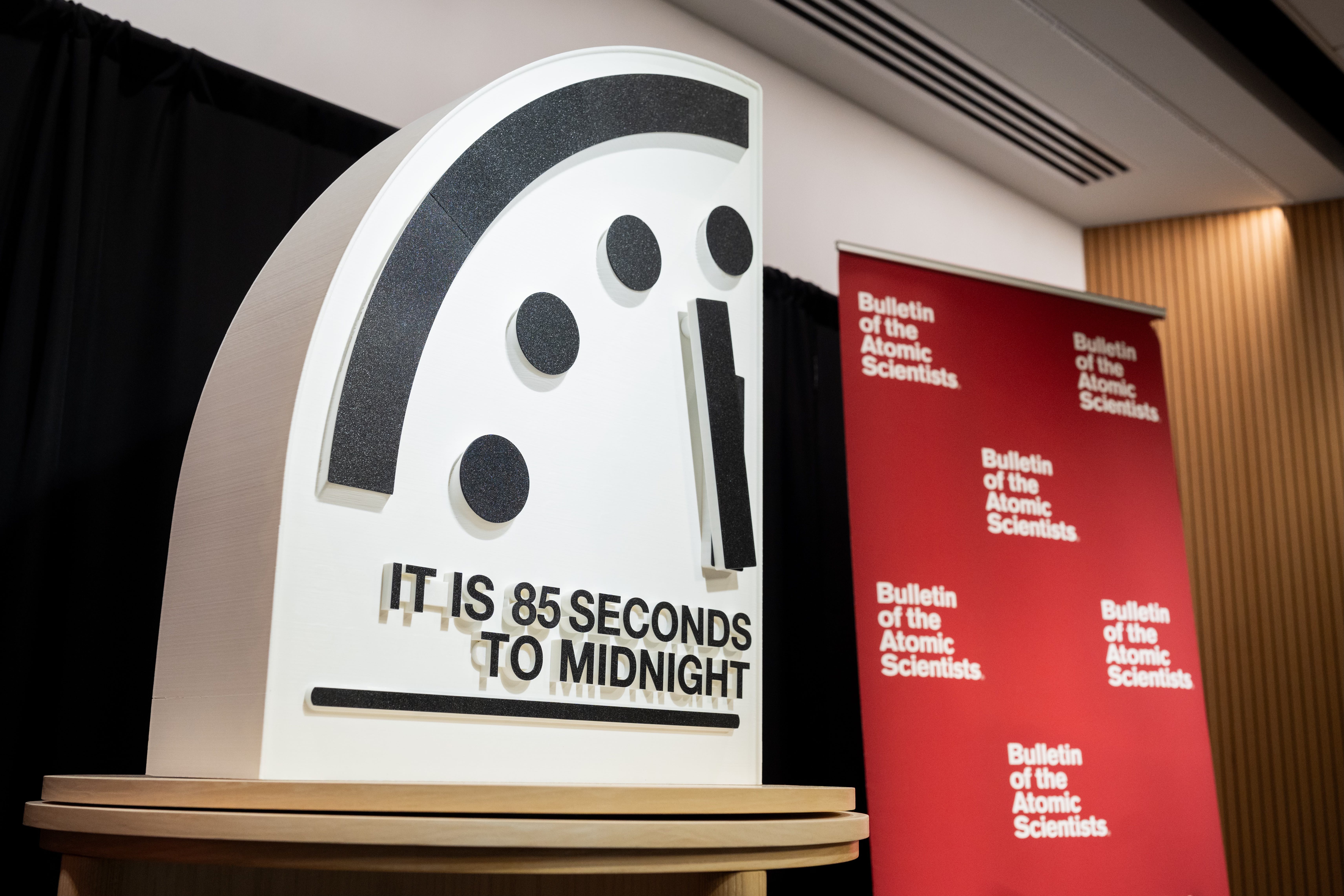
The global system has entered a “new nuclear era” where the collapse of US-Iran talks and the subsequent US naval blockade—the most significant escalation since the 1962 Cuban Missile Crisis—have pushed geopolitical risk beyond the limits of traditional market pricing. With the Doomsday Clock at 85 seconds to midnight and satellite evidence suggesting Iran possesses highly enriched uranium, the world faces a shift from concentrated Cold War risks to a widely distributed, “high-fear” landscape where miscalculation and the erosion of nuclear guardrails pose an existential threat to the global economy. 💬
5.:
§Energy
Lyric Hughes Hale ⸱ MAR 21, 2026
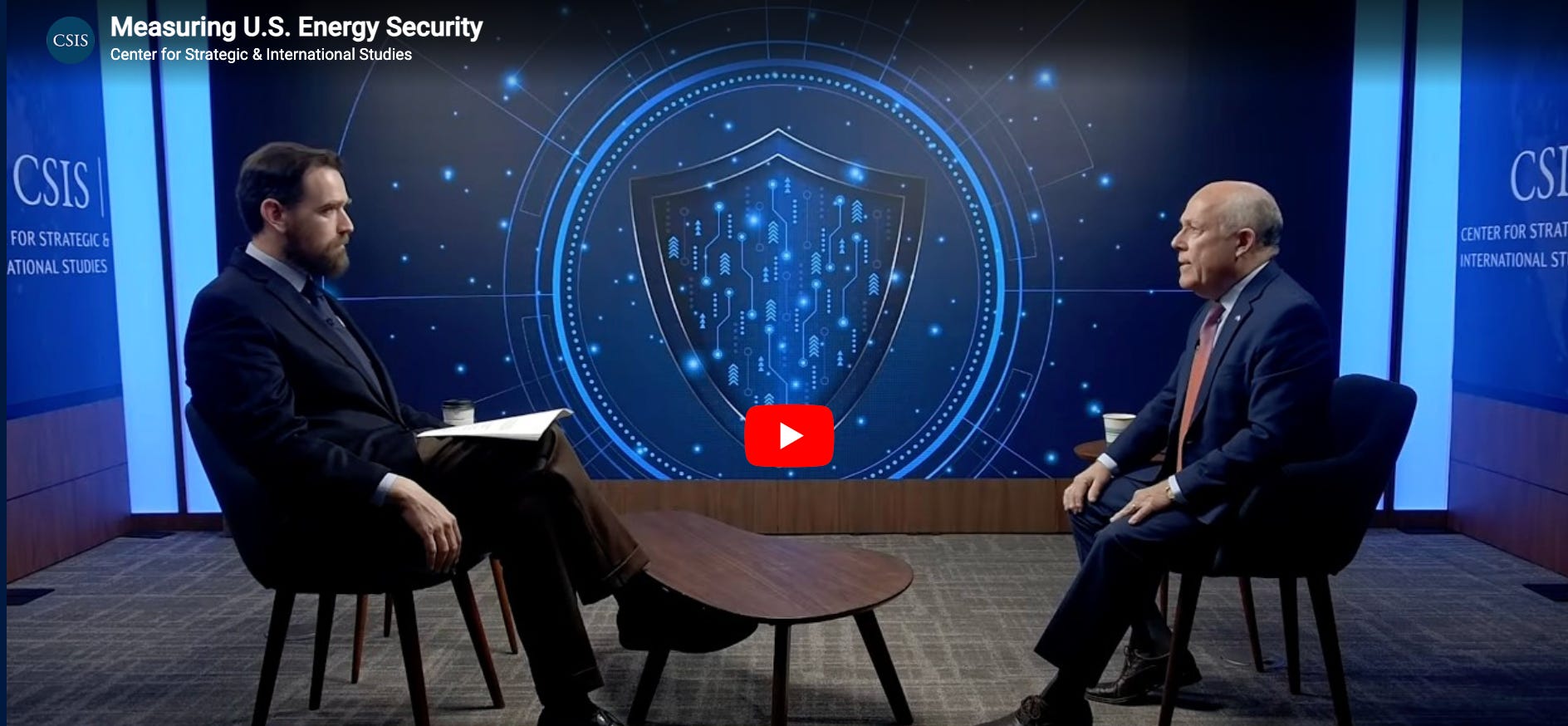
The Center for Strategic and International Studies (CSIS) recently hosted the launch of the National Center for Energy Analytics (NCEA) US Energy Security Index (ESI), a critical new tool for quantifying American resilience in a volatile global system. Cross-posted by the Hale Strategic Resources Initiative (HSRI), the discussion emphasizes that energy is the foundation of economic security and cannot be improved without precise measurement. By tracking 18 indicators across fuel and mineral sectors, this index—led by NCEA Executive Director and HSRI board member Mark P. Mills—provides a major contribution to US efforts to identify and mitigate systemic vulnerabilities before they reach a crisis point. 💬
6.:
§ Tech & AI
Lyric Hughes Hale ⸱ MAR 9, 2026
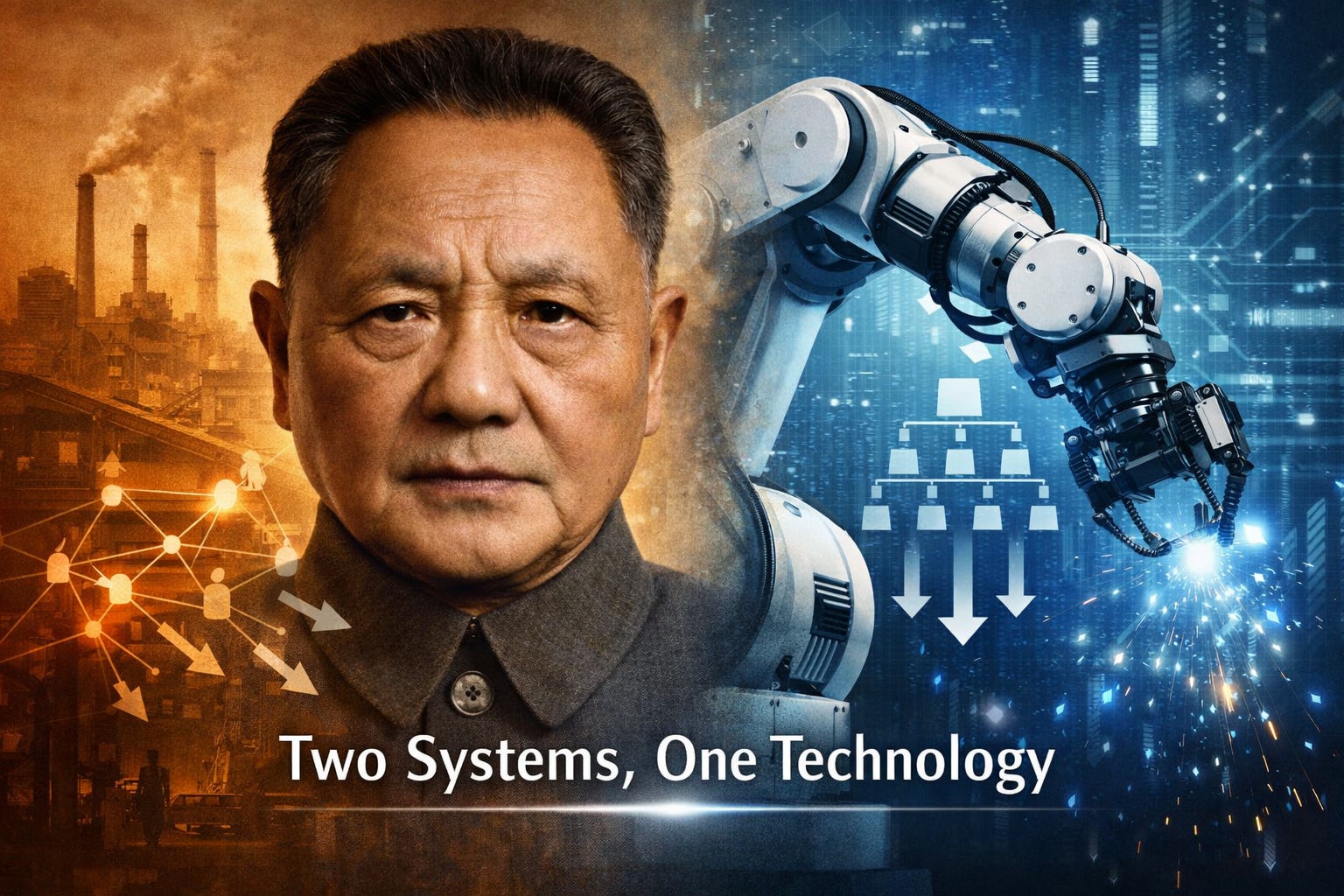
While the global spotlight remains fixed on the technological race for AI supremacy, the true determinant of economic power is not technological discovery, but price discovery. Despite China’s massive lead in industrial robotics—installing nearly half of the world's robots annually—its total factor productivity growth has slumped to 1% or less, leaving its output per hour at just one-third of US levels. Sustainable innovation yields lasting gains only when institutional systems allow market signals to deploy resources efficiently across the economy. Ultimately, the AI "race" is less a battle of technologies and more a competition between economic systems to see which can best discover how to use these tools most productively. 💬
7.:
§Conflict
After the Storm: China’s Military Purges and the Rise of a Mobilization State
⸱ERIC HUANG ⸱ FEB 18, 2026
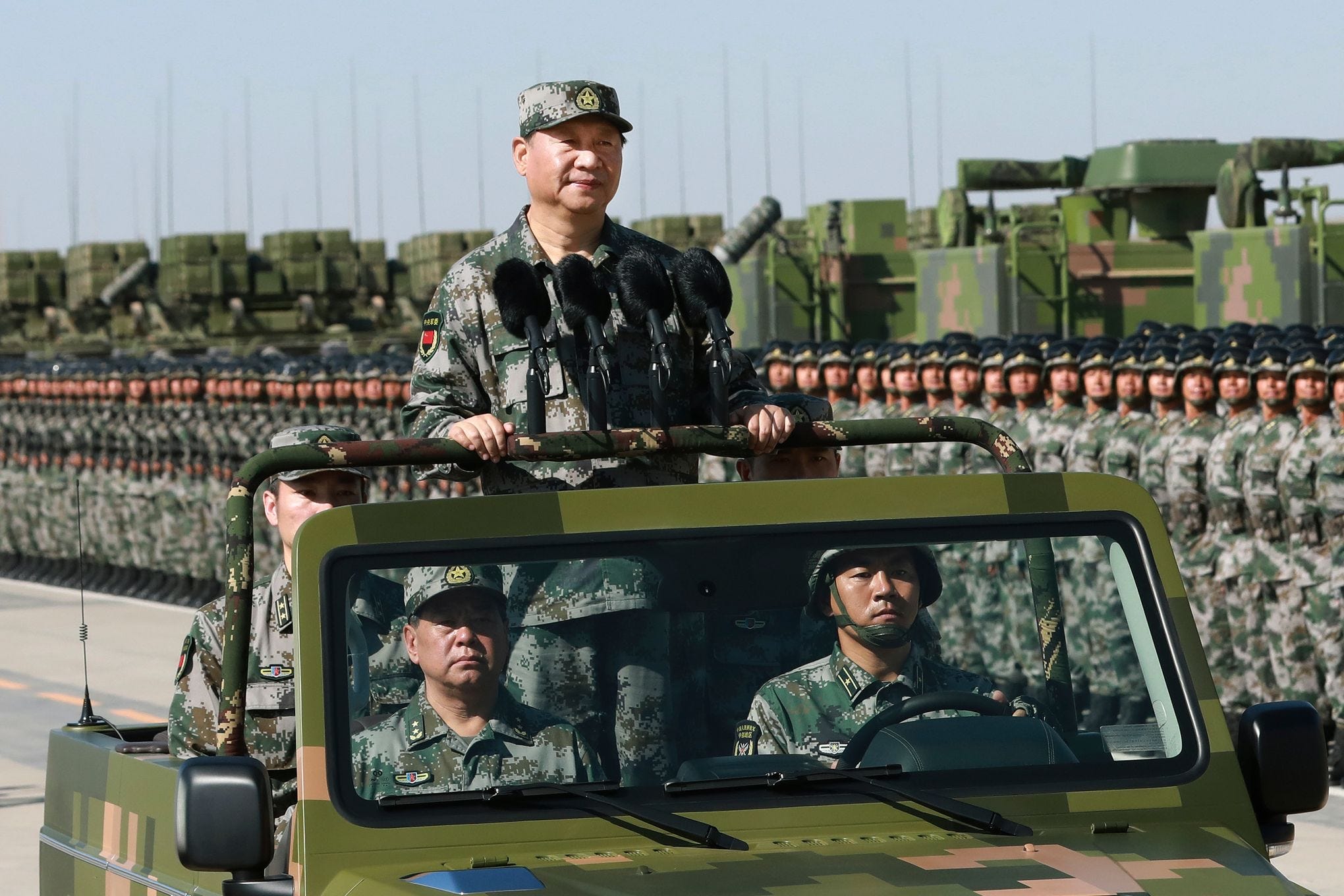
The investigation of General Zhang Youxia and senior PLA leadership marks a "self-inflicted decapitation strike" that signals China’s definitive shift from a developmental model to a mobilization state. By purging five of the seven Central Military Commission members appointed in 2022, Xi Jinping has dismantled the traditional princeling-led military power centers, trading institutional experience for absolute vertical obedience. This transition suggests that Beijing is no longer managing its economy for consumer prosperity, but is instead "hardening" its industrial and financial systems—prioritizing semiconductor autonomy and energy resilience to survive a state of permanent strategic siege. 💬
🖊️ Vue⫶𝓹𝓸𝓲𝓷𝓽𝓼
⇣
8
.:The End of Democracy Will Look Like Progress
·AI is often discussed in terms of productivity and growth. In this VuePoint, Mark Roeder explores a more unsettling possibility: that the very efficiencies intelligent systems promise could gradually weaken the political and social foundations on which modern democracies depend. His latest book, Leaving Plato’s Cave, focuses on AI and will be published in mid-2026.

9
.:Gold Watch
·Gold has long functioned as a hedge against inflation, instability, and monetary uncertainty. In this Vuepoint, Morton Lane suggests the price of gold can also serve as a real-time market barometer of confidence in U.S. economic stewardship.

10
.:The Five Rings of Global Integration
·A guest post by Habib Moudachirou, a Chicago-based global investor focused on growth strategy across international markets. He also serves as chairman of the board of French American C…

📌 Notes
11
.:
12.:
13.:
14.:
15.:
16.:
↪: Off econVue 🔈
17.:
📅 UC San Diego School of Global Policy and Strategy Event Registration:
The Beauty of Limits: How Constraint Can Be Where Possibility Begins↗
May 12, 2026
Location: Online (Virtual Conversation)
Cost: Free (Registration typically required via the link below)
Speakers
Patrick Caddeau: Dean of Forbes College, Princeton University
Ulrike Schaede: Professor at UC San Diego (GPS); Director, Japan Forum for Innovation and Technology
This discussion explores how Japan’s history of resource scarcity and geographical limits fostered a unique aesthetic and innovative spirit. Long before the “circular economy” was popularized, Japan developed a framework where constraints were viewed as generative tools for ingenuity rather than restrictions.
🔗 Visit econVue.com for original articles, global panels, and expert insights on economics and geopolitics.